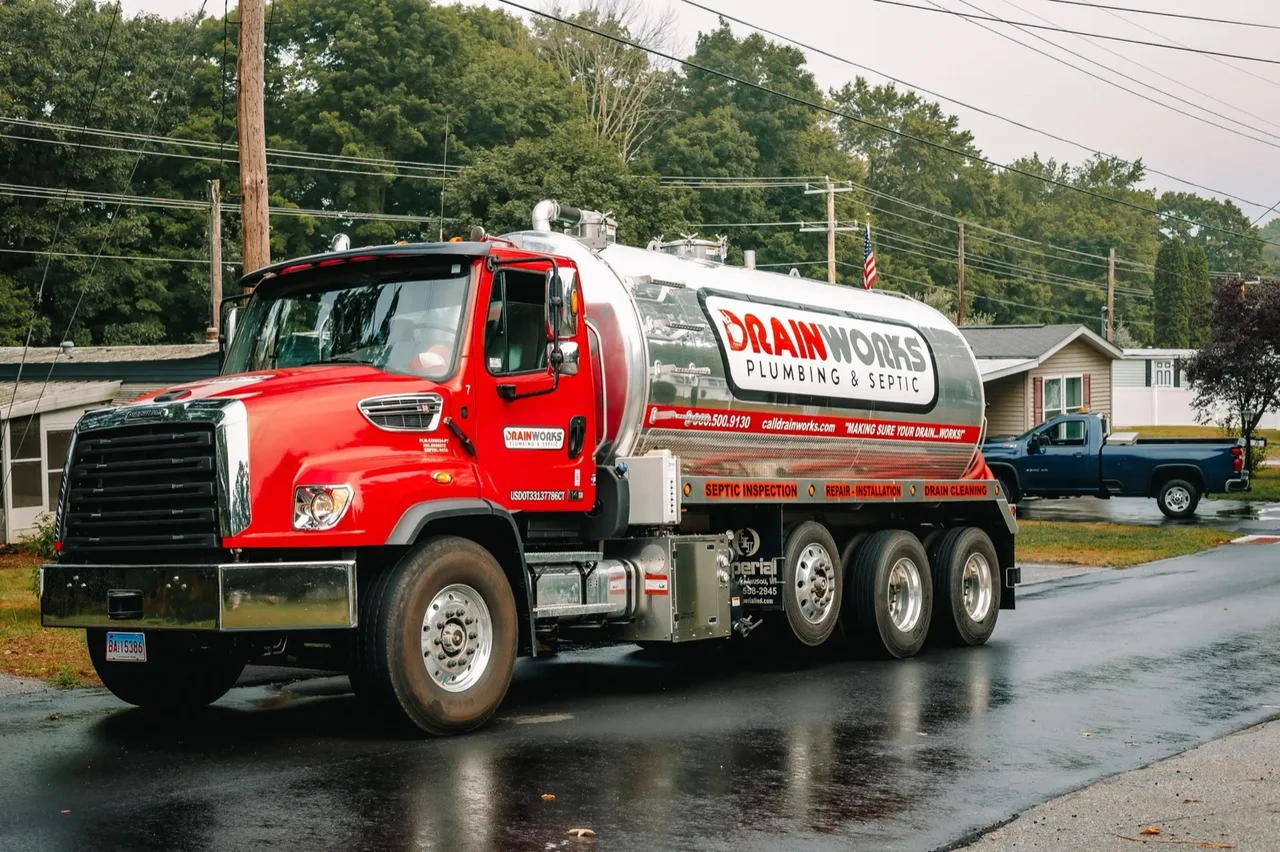
Around Plymouth, homes are roughly half on septic and half on city sewer. In Plymouth, homes around the center of Terryville generally have public water and sewer, larger lots farther out usually don't, and many lake homes have wells and septic. Bristol, Watertown and Wolcott run their own sewer systems, with septic beyond the sewer lines.
Where the sewers are
- Plymouth and Terryville: the town's Water Pollution Control Authority runs the sewer. The town's plan describes public water and sewer around the center of Terryville, and larger lots without one or both farther out
- Bristol: the Bristol Water and Sewer Department, and the health district keeps a record of most homes that still have septic
- Watertown: the Watertown Water and Sewer Authority
- Wolcott: about 52 miles of town sewer, with septic beyond it
How to tell what you have
- You pay a sewer use bill to the town or a utility: you're on sewer
- There are round lids or a riser in the yard, or a pump-out report in your closing papers: you're on septic
- Your health district may have your septic system's plans on file
- Still not sure? Give us a call and we'll help you find out
Why it matters
On septic, the tank needs pumping. We recommend every two years, and the state health department recommends every three to five. On sewer, backups usually start in the line between your house and the street. Close to half of Plymouth's homes and about half of Torrington's and Thomaston's were built before 1960, and sewer laterals that old are often clay, cast iron or fiber pipe.
Septic permits around Plymouth go through the Torrington Area Health District for Plymouth, Thomaston, Watertown, Harwinton and Torrington, the Bristol-Burlington Health District for Bristol, and the Chesprocott Health District for Wolcott. We file pump-out reports and permits for you.
 Written by the Drainworks team
Licensed plumbing contractor PLM.0288824-P7 · septic installer #6174 · updated November 25, 2026